

From big things little things grow. The rise of seed libraries around the world.
With their growing popularity, libraries are branching out into a flourishing new catalogue.

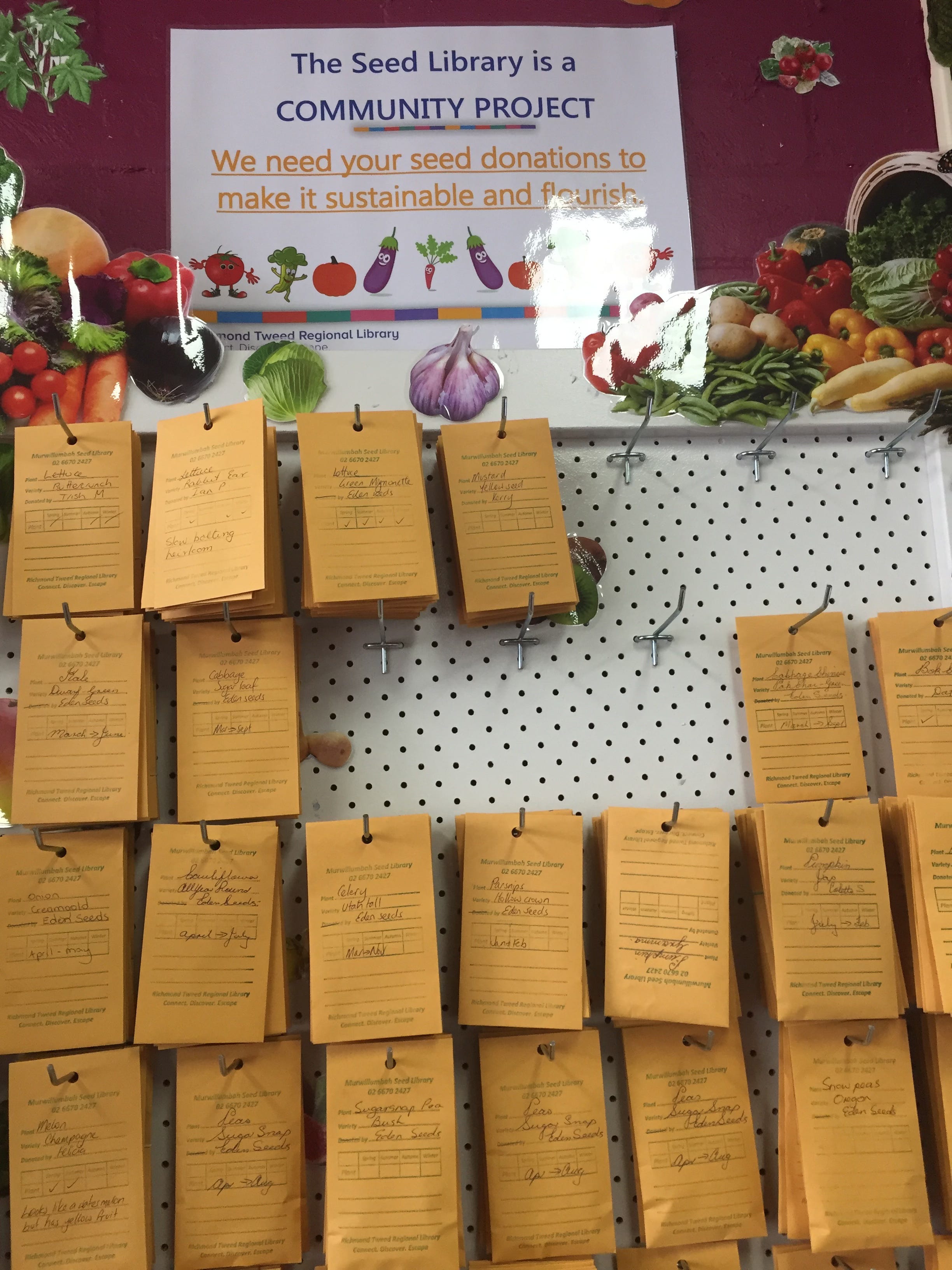
On the shelves of Kingscliff library in New South Wales in Australia, you won’t find only books. There are also little packets of joy, opening up a world of opportunity for members in the town: it’s a seed library. “I have grown many items, including red papaya trees, pumpkins, chillies, tomatoes, chives, shallots, basil, coriander, dill,” says Megan Byrnes, a regular visitor to the library. “[I’ve] created a food forest at home, which is just amazing and fills my heart with so much joy.”
Kingscliff, about two hours by car from Brisbane, is one of more than 500 seed libraries that have sprouted in public libraries and other community spaces around the globe since the Gardiner Public Library in New York began loaning out seeds back in 2004.
Seeds are free to members and “borrowed” in a loose sense via the mini-libraries. There’s usually no obligation to donate back, but after the growing season, members are encouraged to save the seeds from these plants and return some to the library for others to use.
Australia’s first seed library arrived in 2013, courtesy of Nundle Public Library, which services a town of just 500 people in NSW’s New England region.
“We didn’t know if it would be successful or not,” Kay Delahunt, the manager of cultural and community services at Tamworth Regional Council, says. “Nine years down the track, it couldn’t be stronger.”
To date, the Central Northern Regional Library, comprising 15 branches including Nundle, has loaned out 4000 packets – everything from zucchini to daikon to kohlrabi. Byrnes first discovered the seed library at Kingscliff a few years back. She used it at a relatively slow pace in her home garden, planting a variety of herbs and a “very successful pumpkin vine”.
“I didn’t eat one pumpkin – gave them away like they were my babies. I was so proud,” Byrnes says, adding that she devoured all the herbs herself. Since then, she has also grown raspberries, finger limes, myrtles, bush mint, chokos, turmeric, ginger, lemongrass, dragon fruit, taro, passionfruit, mulberries and pomegranates.
Since COVID, Byrnes points out, the price of plants has “skyrocketed”. The seed library has helped offset her grocery bill and fund her new love of gardening. “The seed library played an integral part of productive gardening for me,” she says.
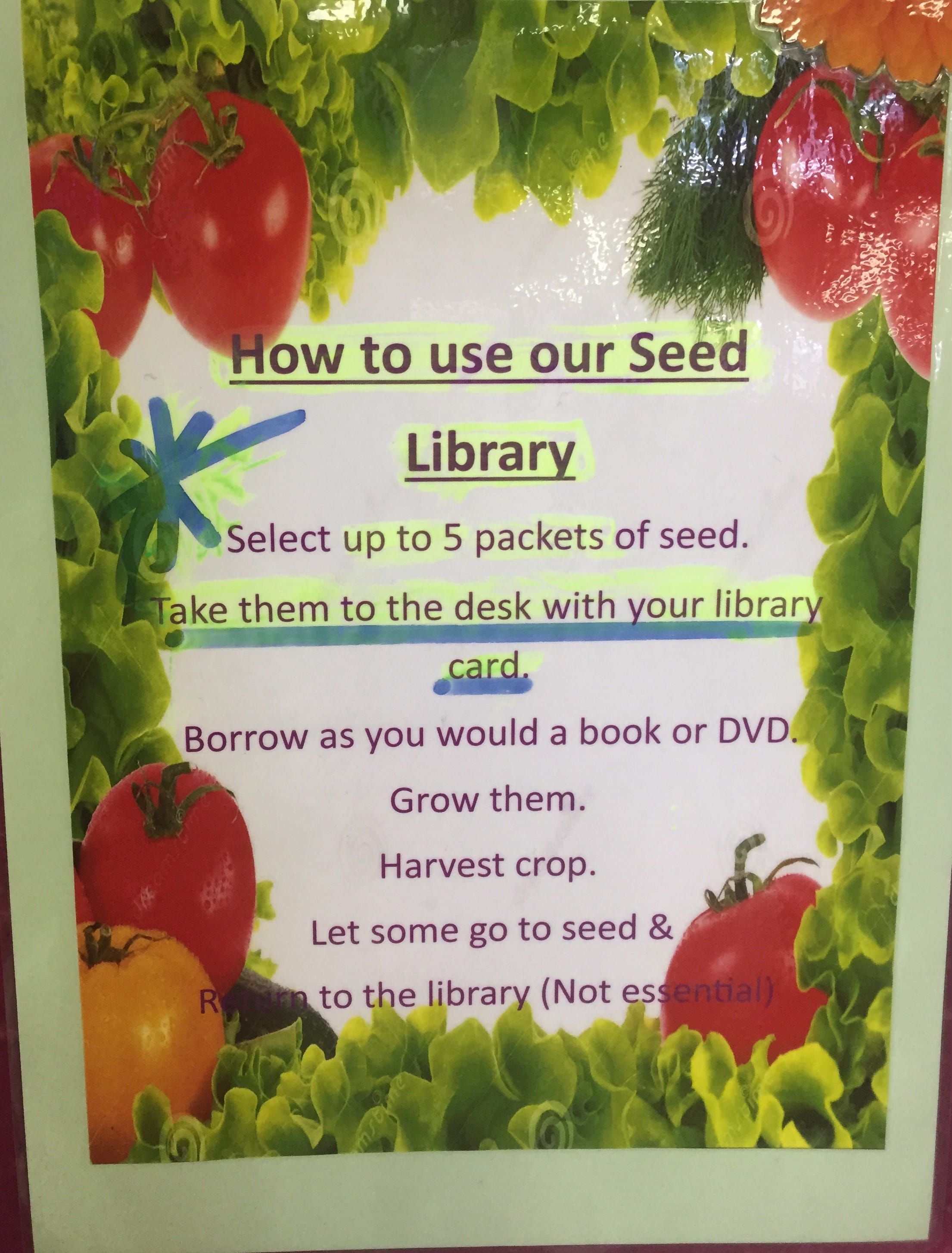
Through drought and bushfires, seed libraries may also help guarantee the survival of some plants. In March 2022, four branches of Mornington Peninsula Shire Library, south of Melbourne, unveiled seed libraries, which will help preserve rare, open-pollinated and heirloom seeds for plants that will thrive in the local climate.
“The idea began during COVID, when we thought people are reverting to more traditional skills and [rediscovering] their gardens, and also had more time for home projects,” says Gail Higgins, library programs and partnership coordinator at Mornington Peninsula Shire. The librarians also encourage growers to donate seeds too, to ensure diversity and protect food sources for future generations.
This focus on sharing knowledge and resources among diverse groups of people is a key aim for many seed libraries. Internationally, Eating in Public (EIP) have gone one step further. The Hawaiian-based organisation encourages people to make use of all public spaces, not just bricks-and‑mortar libraries, by planting free food gardens on public land, and setting up sustainable “shared seed” stations and free stores on nature strips and in parks.
Libraries such as these, which help with food security and wellbeing, introduce folks to gardening and create links within the community, are part of a reinvention of public libraries, beyond books. As Dr Wilhelm Peekhaus, an associate professor in education at the University of Wisconsin-Milwaukee, told The Library Quarterly,
“[Libraries] are moving beyond their traditional information gatekeeping roles to deliver innovative services and resources.”
This innovative reimagining doesn’t stop at seed libraries. On the NSW mid-north coast, members of the Port Macquarie-Hastings Library can now borrow ukuleles, exercise equipment, even hire a recording studio. In Melbourne’s Collingwood, public housing residents have set up a clothes library for neighbours in need. Students at Perth’s Murdoch University can “check out” a therapy dog for half-hour sessions from the library.
It’s all about bringing people together, sharing resources, and investing in our future. “Seed libraries are connecting communities together – the young, elderly and everyone in between,” says Byrnes. “The local libraries are developing and igniting passion, conservations, education, resilience.”


Thanks for reading. This story first appeared in The Big Issue in June 2022. Over the next few weeks, I’m re-hashing some of my favorite stories that I’ve reported on from all around the world and have been thinking about since. Stay tuned!