

The Perfect Wave
In a country where almost 50 children drown every day, a surfing revolution is remarkable. Looking back at some of the stories from around the world that have stayed with me.

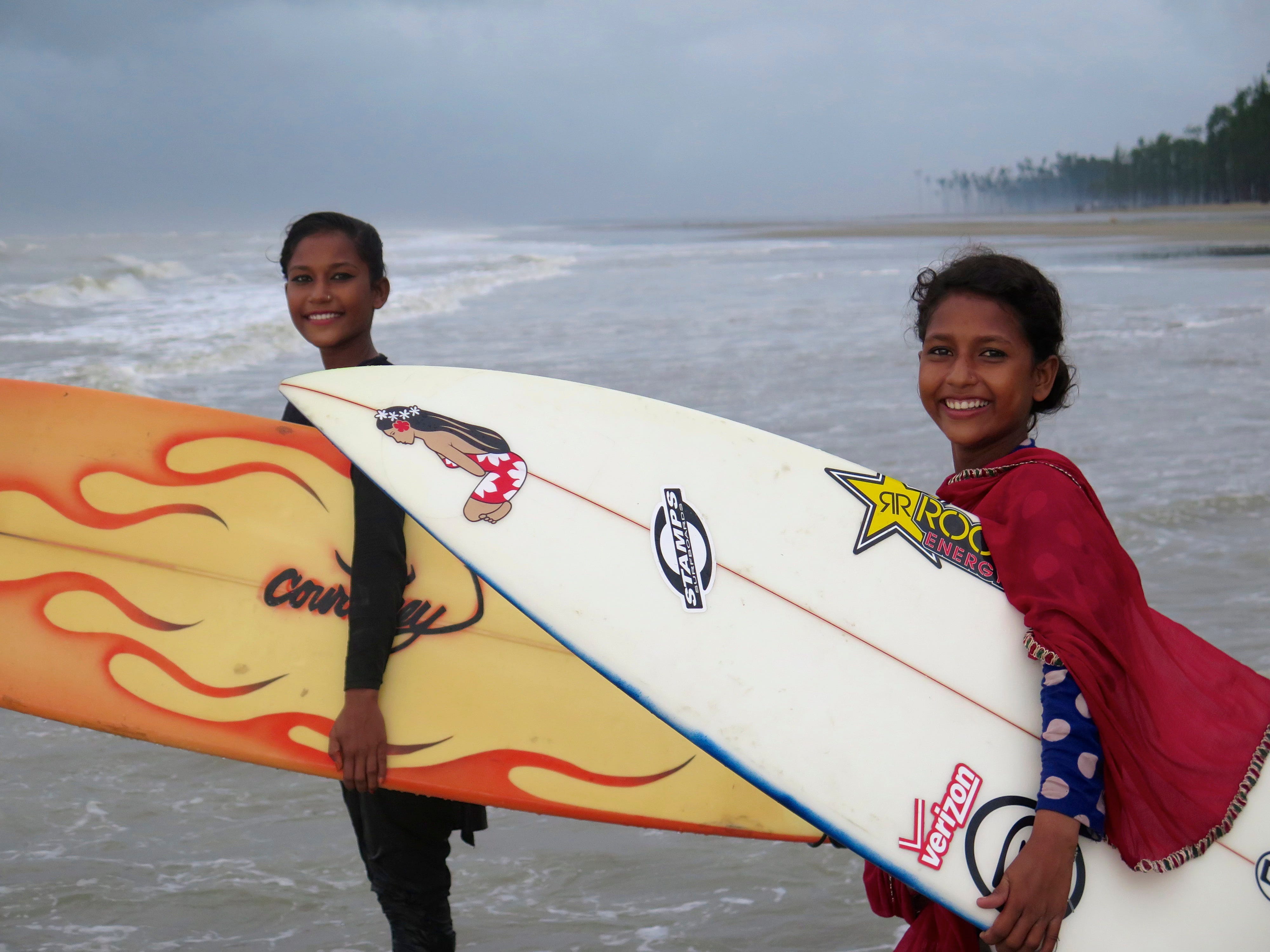
Shumi, 13, took off her headscarf as she strolled down a white sandy beach after school in Cox’s Bazar, a town in south-eastern Bangladesh, with the world’s longest beach. She was ready to catch some waves.
“Before surfing, I was selling boiled eggs to tourists,” said the teen, who spent all her spare time after class working to make money for her destitute family. She did this for three years.
Then Rashed Alam, a lifeguard and surfing instructor, saw her and some friends watching in awe as surfers were riding the waves. The sport had only been introduced in Bangladesh in 1995, after an Australian traveller left a surfboard behind.
Alam began giving the girls surfing lessons. But they landed in trouble at home. “Their parents wanted them to be out making money,” he explained. “And some people say women aren’t supposed to surf. But I say, ‘Why not?’”
After a crowdfunding project to pay for lessons for the girls more than doubled its target, the teens were able to go to school and spend time in the ocean with their friends after class.


They also learnt to swim, a crucial skill in Bangladesh, where drowning claims 20,685 lives each year, including about 18,000 children under the age of 18, according to the country’s department of health. Fifty children down in the water there every day.
“It was a scary moment for me the first time I had a ride on a wave,” explained Shumi, who learnt to both swim and surf, and made friends thanks to her new pastime. “Surfing is helping me change my life a lot.”
In Bangladesh, children are surrounded by water.
They travel to and from village homes in boats and take their baths, wash their clothes, fish and play in lakes and rivers.


But most children don’t know how to swim.
Drownings are the leading killer of people aged under 17, said The Centre for Injury Prevention and Research in Bangladesh.
About 80 per cent of drownings occur in ponds just 20 metres from homes.
Drowning is also a problem in other Asian countries such as Vietnam and Thailand which, like Bangladesh, experience extreme heatwaves and monsoons.
I grew up in Australia with a pool in the backyard, being taken to the beach about 20 minutes away, and was taught how to swim at school.
But I still remember when I was briefly living in Cambodia spotting a man nearly drowning in a rice field while I was traveling with a tuk tuk out in the countryside. Fortunately, my driver rushed to the rescue and saved him.
In east Africa, where I’ve also lived, drownings are also regularly in the news. The president of the Life Saving Association of Uganda recently said that they loses one person to drowning every one and a half hours, the equivalent of eight people a day, it was reported. Stunning figures.
Through the SwimSafe program in Bangladesh, which began in 2006, at least half a million children under 18 have been taught to swim in man-made and natural ponds modified with bamboo. In the country’s capital, Dhaka, SwimSafe has conducted lessons in portable pools.
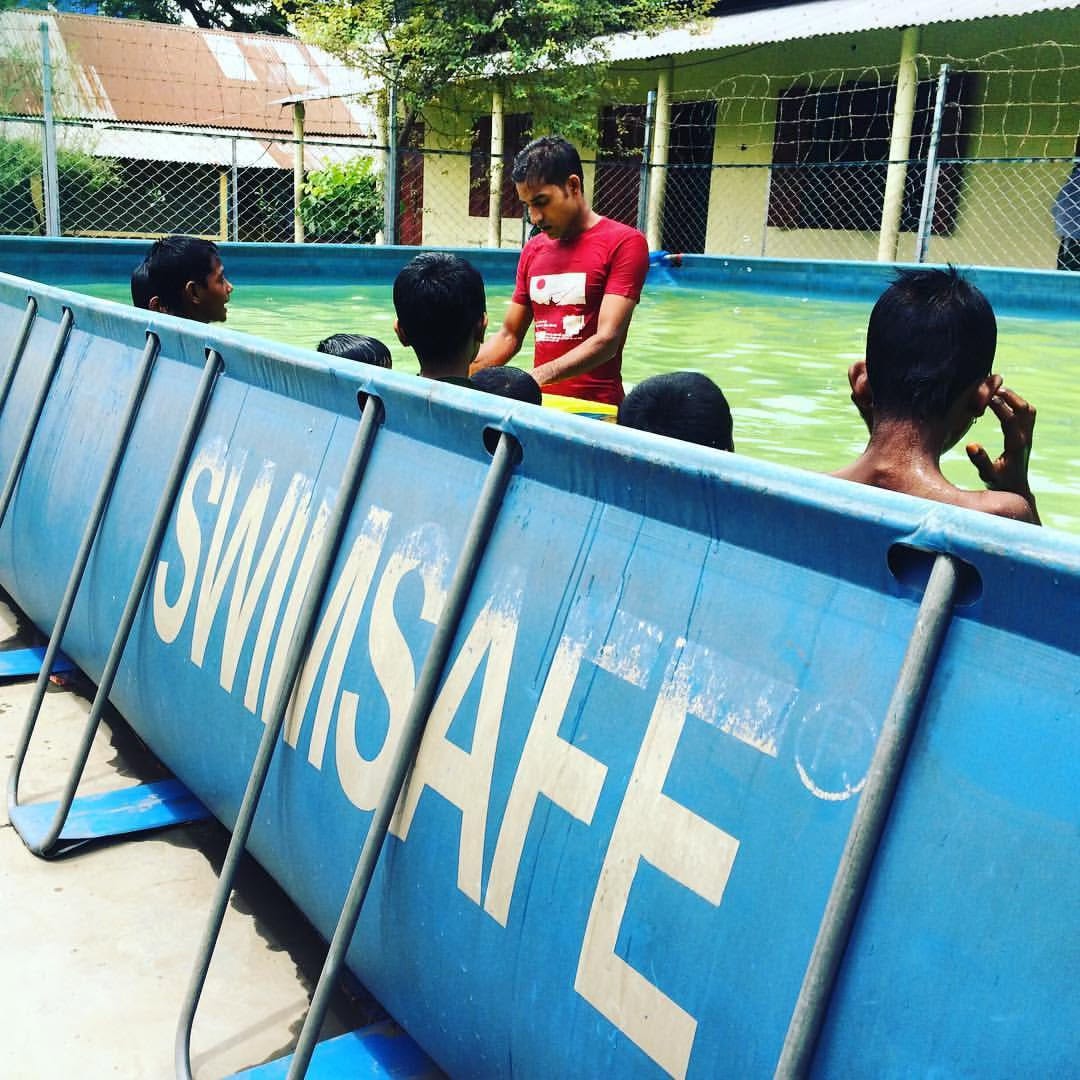
“A child who learns swimming through SwimSafe has a 96 per cent less chance of drowning,” said its director, Dr Aminur Rahman.
Children also learn cardiopulmonary resuscitation, or CPR.
About a decade ago, Rabiul Islam, 10, was travelling to his village house in Faridpur on a river in the country’s centre when a boat capsized.
Lots of people, including children, drowned.
Rabiul knew he needed to learn how to swim and a year ago began lessons at his school in Dhaka through SwimSafe.
“It wasn’t hard,” said Rabiul, who learnt to swim in 14 days. “I feel proud that if something happens with my boat I can now save myself and others.”
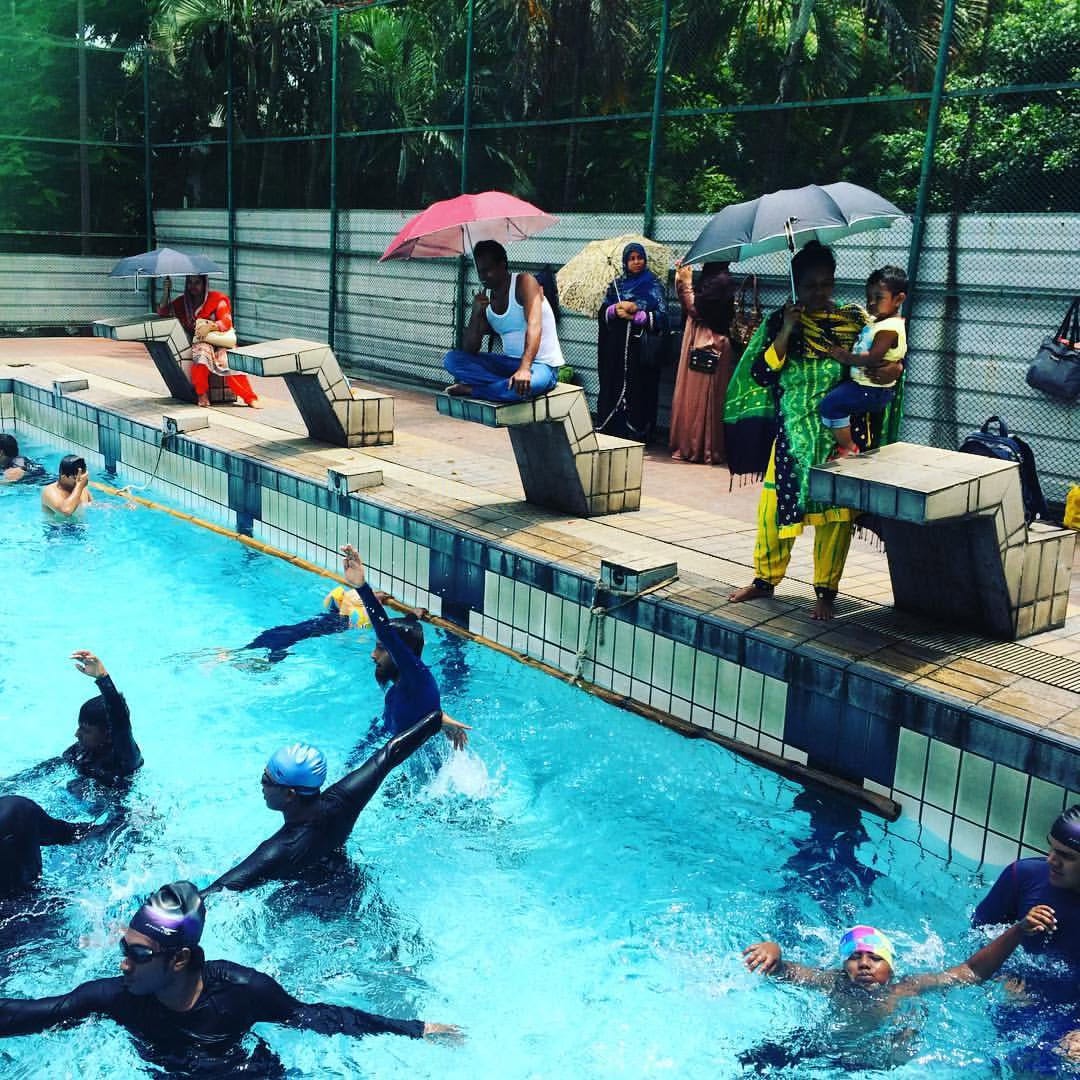
This story was originally published in 2017. Where are the surfer girls and boys of Bangladesh now? Just last week, AFP reported that two of them now have their sights set on the upcoming Asian Games!
Thanks for reading and I hope you found this insightful. When we need more news coverage - and not just opinion - more than ever and more coverage of the global South, especially on this platform, for the next while I’m looking back at some of the stories I’ve reported on all around the world. Stay tuned!
Wow so interesting Amy
Such an interesting story Amy, it always amazes me as an Aussie, how many people never learn to swim. For us it feels second nature, but you’re right that where I live in Thailand, we still have many drownings every year because in most countries, swimming lessons are a luxury - but one which saves lives. So happy to see initiatives like this happening in this region!